Introduction
Nairobi, the bustling capital of Kenya, is a city on the move. With over 4 million residents relying on its transport network daily, this infrastructure is a vital part of urban life. The colorful matatus are both a cultural symbol and a dominant mode of transport. The growing use of commuter trains shows the city’s vibrancy. Yet Nairobi faces mounting challenges: worsening traffic congestion, strained infrastructure, and the pressing need to tackle environmental sustainability.
Kenya’s transportation journey has come a long way. The journey began with the construction of the Uganda Railway in the late 19th century. This was a colonial project that laid the foundation for modern transport. It also catalyzed the growth of Nairobi. Over time, road networks expanded, and the informal matatu system became a cornerstone of public transit. The country has recently invested in projects like the Standard Gauge Railway (SGR). It has also developed highways like the Nairobi Expressway. These efforts signal a commitment to modernization.
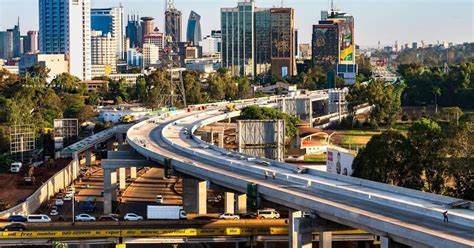
Today, Nairobi stands at a pivotal moment. Rapid urbanization and increasing mobility demands need innovative and sustainable solutions. Plans for the Bus Rapid Transit (BRT) system, investments in green infrastructure, and a push for integrated transport systems reflect efforts to tackle these challenges head-on.
The Impact of Global Transportation on Climate Change
The transportation sector is a significant contributor to climate change, accounting for approximately 14% to 25% of global greenhouse gas emissions. As a critical driver of the ongoing climate crisis, its impact is undeniable. The majority of these emissions stem from road transport, while aviation and shipping also contribute substantially.
In 2023, global transportation CO₂ emissions increased by 4%, continuing a rebound trend that highlights the sector’s growing environmental footprint. Since 1990, CO₂ emissions from transportation have risen by nearly 80%, now representing over 20% of global CO₂ emissions from fossil fuel combustion. These emissions vary by region, with developing areas experiencing much faster growth due to rising incomes and increased car ownership. For instance, China has seen its transportation emissions more than triple since the early 2000s.
Road vehicles account for the largest share of transportation-related emissions, producing 12% of total global greenhouse gas emissions in 2021. This positions road transportation as the second-largest source of global emissions, surpassed only by coal-fired power. Within this category, light-duty vehicles such as passenger cars are the primary culprits. Their emissions have grown by an average of 1% annually since 2010, reaching over 3.5 gigatons of CO₂.
For Kenya, addressing transportation emissions is crucial in mitigating the effects of climate change. The country can contribute by prioritizing investments in sustainable public transit systems. One example is the planned Bus Rapid Transit (BRT) system in Nairobi. This system can reduce dependence on private vehicles and lower emissions.
Bus Rapid Transit (BRT)
Nairobi’s transportation landscape is undergoing a significant transformation with the introduction of the Bus Rapid Transit (BRT) system. This initiative aims to address the city’s chronic traffic congestion, improve air quality, and promote sustainable urban mobility. By focusing on the development of dedicated bus corridors, Nairobi seeks to create a more efficient and environmentally friendly public transport network.
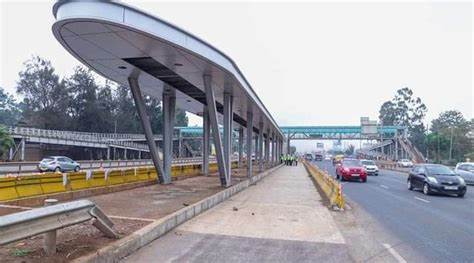
Bus Rapid Transit (BRT) is a high-capacity, bus-based transit system designed to offer fast, reliable, and cost-effective public transportation. Key features of BRT include dedicated bus lanes that minimize traffic congestion, priority at intersections, off-board fare collection for efficient boarding, and platform-level access that enhances convenience for all passengers. By providing high-frequency service, BRT systems can significantly reduce travel times and improve urban mobility.
Globally adopted in nearly 200 cities, BRT is recognized for its cost-effectiveness compared to rail systems, flexibility in adapting to urban environments, and potential to lower greenhouse gas emissions by promoting public transport over private vehicle use.
Key Developments in Nairobi’s BRT System
- Outer Ring Road BRT Project:
- The Kenyan government has secured Ksh7.6 billion for the construction of a BRT line along the Outer Ring Road, set to commence in January 2025. This project will feature a dedicated 10.5 km bus corridor. Its purpose is to alleviate traffic congestion and enhance connectivity in eastern Nairobi. This will particularly benefit areas leading to Jomo Kenyatta International Airport (JKIA).
- Thika Road BRT Line:
- The Thika Road corridor is another critical component. It is known as Line 2 of the BRT system. Its aim is to improve public transport efficiency. This line will connect key urban areas. It is part of a broader strategy to integrate various transport modes across the Nairobi Metropolitan Area.
- Clean BRT Line 3:
- Line 3 is envisioned as a cornerstone of the BRT network. It spans over 12 km and links vital locations such as hospitals and markets. This line will utilize zero-emission electric buses, contributing to Nairobi’s green transport goals while enhancing the overall public transit experience.
- Comprehensive BRT Network: The Nairobi Metropolitan Area has outlined five main BRT corridors, including:
- Line 1: Limuru – Kangemi – CBD – Imara Daima – Athi River – Kitengela
- Line 2: Rongai – Bomas – CBD – Ruiru – Thika – Kenol
- Line 3: Tala – Njiru – Dandora – CBD
- Line 4: Mama Lucy Hospital – Donholm – CBD
- Line 5: Ridgeways (Kiambu Rd) – Balozi (Allsops) – Imara Daima
Environmental benefits
The Bus Rapid Transit (BRT) system offers significant environmental benefits. It helps reduce the impact of urban transportation on climate change and air quality. By utilizing clean fuel technologies, such as electric or natural gas-powered buses, BRT systems can substantially lower CO2 emissions compared to traditional diesel vehicles, aiding in climate change mitigation.
Additionally, by promoting public transport and decreasing the number of individual vehicles on the road, BRT helps reduce local air pollutants, including nitrogen oxides (NOx) and particulate matter (PM), leading to improved public health and quality of life.
The implementation of dedicated bus lanes enhances operational efficiency. Traffic signal prioritization also improves efficiency. These measures minimize delays and idling times that contribute to increased emissions. This efficiency reduces vehicle kilometers traveled (VKT). It also encourages more people to use public transport. This further decreases emissions.
Moreover, BRT systems improve urban mobility by providing fast and reliable transit options. These systems can shorten travel times and lower fuel consumption per passenger. The resulting improvements in air quality can lead to better health outcomes for urban populations. They also help reduce healthcare costs associated with pollution-related illnesses.
Additionally, by minimizing the number of vehicles on the road, BRT contributes to traffic safety improvements. Successful case studies from cities like Bogotá and Curitiba demonstrate the effectiveness of BRT in transforming urban transport while achieving environmental goals. Overall, BRT systems represent a sustainable solution that addresses both transportation needs and environmental concerns.
Conclusion
The Bus Rapid Transit system represents a pivotal step towards revolutionizing Nairobi’s transportation system by promoting sustainable public transit solutions. Through strategic investments in infrastructure and technology, coupled with a commitment to reducing carbon emissions, Nairobi aims to create a greener city that meets the mobility needs of its residents while addressing climate change challenges. As these projects unfold, their success will depend on effective execution, community engagement, and ongoing evaluation of their environmental impact.
 Sustainable Engineering
Leave a comment