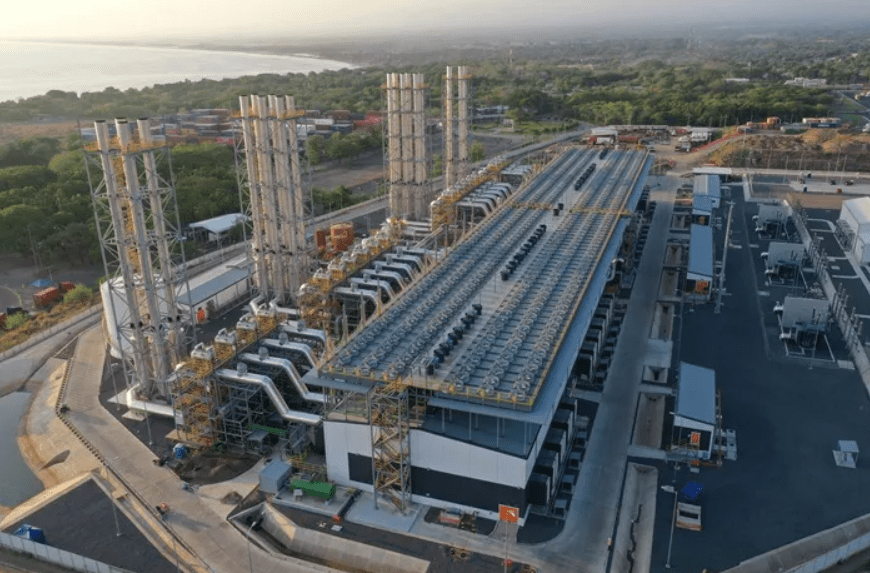
As nations strive to meet ambitious carbon reduction targets and transition towards renewable energy, the demand for innovative technologies that can facilitate this shift has never been greater. Flexible Power Plants are at the forefront of this transition.
The Need for Flexibility in Power Generation
As the world increasingly turns to renewable energy sources, one of the significant challenges faced by energy systems is their inherent variability that leads to intermittent power supply. Solar and wind power generation fluctuate based on weather conditions, leading to instabilities in electricity supply. This variability necessitates a flexible power generation solutions that can quickly adapt to changes in demand and supply.
Flexible power plants are designed to address this challenge effectively. They can operate on multiple fuel types, including natural gas, biofuels, hydrogen, and ammonia. This multi-fuel capability allows for seamless transitions between different energy sources based on availability and economic viability, ensuring stable and reliable power supply.
Real-World Application: Wärtsilä 130 MW Flexicycle Power Plant in Senegal
The Wärtsilä 130 MW Flexicycle Power Plant, located in Malicounda, Senegal, is a significant advancement in the country’s energy infrastructure. Officially inaugurated on February 11, 2024, by President Macky Sall, the plant is now fully operational and is expected to generate approximately 956 GWh of electricity annually. This output represents a 17% increase in Senegal’s overall power generation capacity, addressing the growing energy demands of the nation.
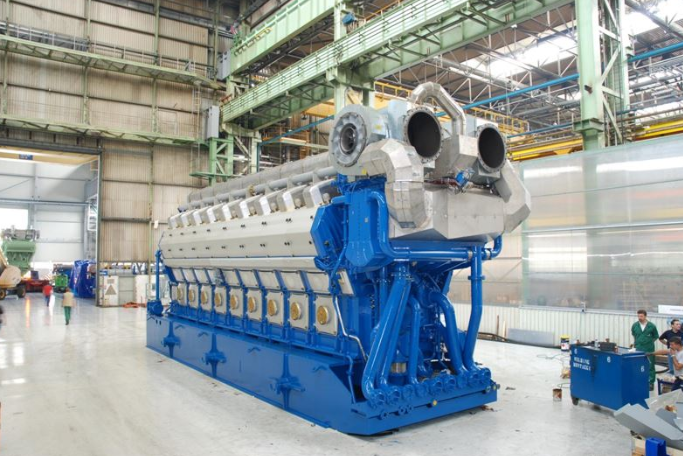
The Flexicycle power plant utilizes a combination of seven Wärtsilä 18V50 engines and a steam turbine, allowing it to operate efficiently in both simple-cycle and combined-cycle modes. This dual capability provides the plant with the flexibility to adapt to varying energy demands and integrates seamlessly with intermittent renewable energy sources, which are increasingly being incorporated into Senegal’s power grid.
Initially, the plant operates on heavy fuel oil (HFO), but there is an option to transition to natural gas as it becomes available from local sources, specifically the Greater Tortue Ahmeyim (GTA) field. This transition is expected to further reduce energy costs and enhance sustainability by utilizing cleaner fuel options
Image Credit: (Wartsila)
The plant was part of the government’s plan Sénégal Emergent to strengthen the country’s emerging economy and provide electricity access to everyone by 2025. The project is notable for being one of the first public-private partnerships in West Africa, involving key stakeholders such as the African Development Bank and Senelec, Senegal’s state utility. Wärtsilä has a strong presence in Senegal, with over 543 MW of installed capacity across various projects. The company has committed to a 10-year maintenance agreement for the Malicounda Plant, ensuring its reliability and efficiency over time. As Senegal continues to explore its gas resources and expand its energy infrastructure, this power plant will be instrumental in shaping its energy future
Key Features of Wärtsilä’s Flexible Power Plant.
- Multi-Fuel Operation: One of the standout features of Wärtsilä’s power plants is their ability to utilize various fuels. This flexibility not only enhances energy security but also facilitates the integration of renewable fuels into existing infrastructures. For instance, biofuels derived from waste materials can significantly reduce carbon emissions when used in Wärtsilä engines.
- Rapid Start-Up Times: Wärtsilä power plants are engineered for rapid response times, enabling them to adjust output quickly in response to fluctuations in renewable energy generation. This characteristic is critical for maintaining grid stability as more intermittent sources like solar and wind are integrated into the energy mix.
- High Efficiency: The efficiency of Wärtsilä’s power plants is another vital aspect of their design. By employing advanced technologies such as combined heat and power (CHP) systems, these plants maximize energy extraction from fuel sources, thereby reducing waste and lowering overall emissions.
- Scalability: The modular design of Wärtsilä’s flexible power plants allows for easy scalability. As demand grows or shifts towards more sustainable practices, these plants can be expanded or adapted without extensive overhauls, making them an ideal choice for both emerging markets and established energy systems.
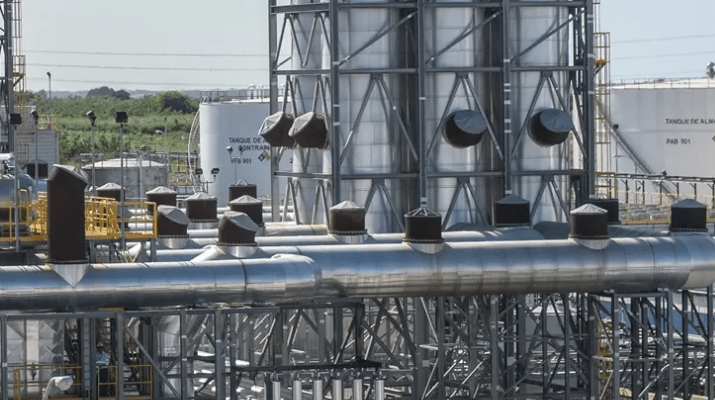
With their cutting-edge flexible power plants, Wärtsilä is not just adapting to the future – They’re actively shaping it!
They are also future-proofing their engines in their powerplants by providing the needed flexibility to continuously balance renewables, enabling the movement towards a net-zero future once integrated.
This innovative approach not only supports the shift towards cleaner energy but also enhances the reliability and efficiency of power generation all around the world.
Image Credit: (Wärtsila)
Estimated Market Prediction Analysis for Flexible Power Plants
Market Overview: The flexible power plants market was valued at approximately 7.3 GW in terms of volume in 2023. It is projected to grow at a compound annual growth rate of around 4.1% from 2020 to 2034 and reach 11.4 GW at the end of 2034.
Market Segmentation: The global flexible power plant market is segmented into North America, Europe, Asia Pacific, Latin America, and the Middle East and Africa. The Asia Pacific offers high potential and lucrative market for flexible power plant. Countries like India, China, Indonesia, and Vietnam are investing in large scale in order to achieve full electrification targets. Therefore, flexible power plants that offer both base load and peak load effectively.
European nations are highly concentrating on developing renewable energy. Finland, Sweden, Latvia, Germany, and Denmark are among the dominating countries in generating maximum required demand by adopting a renewable source of energy. Middle East and Africa (MEA) has enormous potential as well as most countries are on the precipice of developing grid infrastructure and power plants. This is also expected to grow the demand for the flexible power plant in the regions.
The market is also segmented by:
- Fuel Type: The market is segmented into several fuel types, including: Natural Gas, Coal and Renewable Energy Sources (e.g., biogas, solar, wind).
- Plant Size: Flexible power plants are categorized based on size: Up to 100 MW, 101 MW to 500 MW and Above 500 MW.
Market Drivers: Key Drivers contributing to this growth include:
- Increasing Demand for Clean Energy: There is a global shift towards cleaner energy sources, which is propelling the demand for flexible power plants. These plants can integrate renewable energy sources effectively, helping to reduce carbon footprints and meet sustainability goals.
- Government Initiatives: Many governments are implementing policies and incentives that promote the development of flexible power plants. This includes funding for renewable energy projects and regulations that encourage the integration of diverse energy sources into the grid.
- Technological Advancements: Continuous advancements in technology are enhancing the efficiency and operational flexibility of power plants. Innovations allow for better integration with renewable sources and improve the ability to respond to fluctuating energy demands, making flexible power plants more competitive.
- Urbanization and Industrial Growth: Rapid urbanization and industrialization, particularly in emerging markets, are driving electricity demand. Flexible power plants are essential for meeting this growing demand while maintaining grid stability.
- Investment in Renewable Energy: The global shift towards renewable energy is creating significant opportunities for flexible power plants. As more renewables are integrated into the grid, these plants become crucial for balancing supply and demand, especially during peak load times.
- Strategic Partnerships and Collaborations: Companies in the flexible power plant sector are forming strategic partnerships with government agencies and other industry players to leverage resources, share technology, and expand their market reach. This collaborative approach helps in navigating regulatory challenges and enhances market penetration.
- Need for Grid Stability: The increasing variability in supply from renewable sources necessitates the use of flexible power plants to ensure a stable electricity supply. These plants can quickly adjust output to match demand fluctuations, thus supporting grid reliability. These drivers collectively position the flexible power plant market for robust growth in the coming years as it adapts to changing energy landscapes and consumer needs.
Market Constraints: Key Constraints hindering this growth include:
- High Costs: The initial investment required for building and operating flexible power plants is substantial, which can deter potential investors.
- Solution: Implementing financing models such as public-private partnerships (PPPs) like the one in Senegal and offering government subsidies or incentives can help mitigate upfront costs. Additionally, leveraging technological advancements to reduce operational costs over time can improve financial viability.
- Regulatory Issues: Complex regulatory frameworks and lengthy permitting processes can delay project development and increase costs.
- Solution: Streamlining regulatory processes and creating clear guidelines for flexible power plant operations can facilitate quicker approvals. Engaging with policymakers to advocate for supportive legislation can also help.
- Technical Complexity: The integration of advanced technologies required for flexible power plants can be technically challenging, leading to higher operational risks.
- Solution: Investing in training programs for personnel and developing standardized procedures can reduce operational complexity. Collaborating with technology providers to ensure proper implementation and maintenance of systems can also enhance reliability.
- Competition from Other Energy Sources: Flexible power plants face competition from cheaper energy sources, such as natural gas and renewables, which may limit their market share.
- Solution: Highlighting the unique benefits of flexible power plants, such as their ability to provide grid stability and support renewable integration, can differentiate them in the market. Developing hybrid systems that combine multiple energy sources may also enhance competitiveness.
- Limited Availability of Financing: Accessing capital for flexible power plant projects can be difficult, particularly in emerging markets where financial resources are constrained.
- Solution: Creating innovative financing mechanisms, such as green bonds or climate finance initiatives, can attract investment into the sector. Engaging international financial institutions to support projects in developing regions can also improve funding availability.
The flexible power plant market represents a dynamic sector within the energy industry, with robust growth prospects fueled by environmental concerns and technological progress. As countries transition towards more sustainable energy systems, flexible power plants will play a crucial role in ensuring grid stability and meeting fluctuating energy demands.
As we continue to confront climate change and strive for carbon neutrality, it is imperative that we support companies like Wärtsilä that prioritize sustainability through engineering excellence. Their commitment not only enhances our current energy systems but also lays the groundwork for future generations to thrive in a cleaner environment powered by sustainable fuels. By championing such, we can collectively work towards achieving a balanced ecosystem where both humanity and nature coexist harmoniously—a goal that is not just desirable but essential for our planet’s survival.
 Sustainable Engineering
Leave a comment